You’ve just woken up and realized that you’re spotting. Normally, this wouldn’t be an issue at all, but you realize that you’re spotting a week before your period, or now you’re bleeding a week after your period.
Is spotting normal? Mid cycle bleeding may or may not be a cause for concern.
What Causes Spotting?
There are several reasons for spotting. Typically, spotting is seen during menstruation, but when a cycle has already passed, it can be cause for concern.
Spotting can occur for a variety of reasons.
1. Cervix Abnormalities
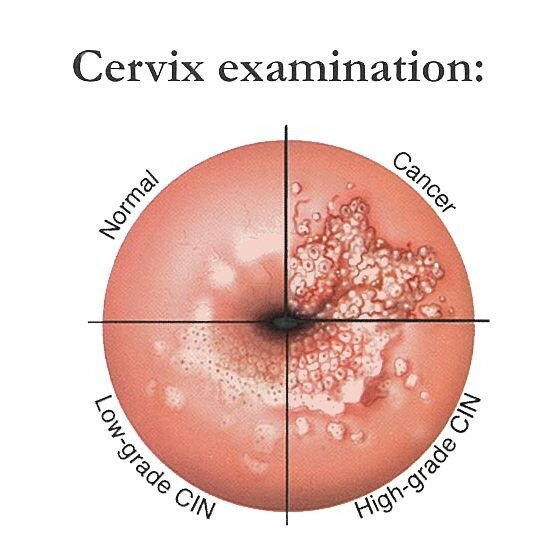
Abnormalities in the cervix are rare, but they do occur. Fibroids or HPV are two abnormalities where you may begin bleeding mid-cycle.
Pain in the cervical region should be examined by a gynecologist. There are very rare cases where these abnormalities may be cancerous.
2. Implantation
Many people, about 33% or 1 out of 3 women, will experience implantation bleeding. This is bleeding that occurs when the egg fertilizes in the uterine lining.
Many women will experience a slight pain when this happens while others won’t even notice that implantation occurred until they find that they’re bleeding. Implantation occurs 6 – 12 days after conception, so it’s very unlikely that this is the cause if you are bleeding right after a period.
During the implantation process, blood vessels in the uterus may be damaged and will cause the bleeding to be prolonged, albeit spotty. This bleeding can occur 12 days after ovulation and may be confused with menstrual bleeding.
Normally, implantation bleeding is very light and spotty, and lasts 1 – 2 days before going away. If you think you may be pregnant, it’s important to have a test conducted to determine pregnancy.
All of the tests on the market rely on the hCG hormone to detect if you’re pregnant, so if the test is false, wait at least a week and test again to allow adequate hormone levels to accumulate.
3. Hormone Imbalance
Every woman’s body is trying to balance a myriad of hormones to help her stay balanced. These hormones regulate the menstrual cycle as well.
When this axis is disrupted, the imbalance may cause a woman to have mid cycle bleeding or spotting. There are a variety of reasons why these balance disruptions occur:
- PCOS
- Thyroid Disorders
- Uterine Fibroids
- Cysts
- Endometriosis
Hormonal imbalances can be corrected, but it’s recommended to be treated by a professional to fully understand why the imbalance has occurred.
4. Intercourse
When you have sex, it’s very possible for internal damage to occur inside of a woman’s vagina. This can occur when couples are a little too rough, or it can occur when a woman has lack of lubrication that causes too much internal friction and pulling.
A woman will likely be sore at this time, and may experience discomfort and cramping. If you’ve had sexual intercourse in the last few days, the spotting may be caused by the intercourse itself and will go away on its own in just a few days.
Can Stress Cause Spotting?
Doctors agree that high levels of stress can cause the body’s menstrual cycles to go out of sync. This is when women have extreme bouts of stress where they may experience either irregular periods or spotting that is mid cycle.
A few great ways to relax and de-stress include:
- Yoga
- Meditation
- Deep breathing
- Exercise
If you’re stressed because of life problems or work, it’s recommended that you take a mini vacation. This can be something as simple as going to a B&B, or it can be an exotic vacation – it’s your choice.
Spotting for a Week
Slight spotting for a week is not too much of a concern. This can occur for a variety of reasons, but the most common is that you might be pregnant.
Women that have also changed their birth control have experienced spotting for a long duration. If you have intense spotting, it’s advised that you seek the help of a medical professional.
An unusually light period may be to blame for your spotting, and it’s always better to get a professional’s opinion than speculate what is happening internally in the body.
Spotting 4 Days Before Period
Spotting 5 days before your period, or 4 – 6 days really, is usually a sign of implantation. This process, discussed in detail above, is often associated with early spotting or bleeding.
One thing to note is that implantation bleeding does not get heavier. Instead, it remains spotty and then goes away rather quickly.
Some women also have irregular periods, so being 4 days early isn’t too out of the ordinary for these women. It’s always a great idea to track your period using a calendar so that you can determine when you’re truly late or early with your period.
Only 1 out of 3 women will experience implantation bleeding.
Can Birth Control Cause Cycle Fluctuations?
Mid cycle bleeding after a change in birth control is a real possibility. Many of the oral birth control pills that women take are causing hormonal balances in the body to change.
These are powerful medications that change the very foundation of your hormones so that you don’t get pregnant. While many pills are supposed to be stopped to allow for a regular cycle, women often continue taking their birth control so that they’re able to skip their period – and the pain.
However, these birth control methods can also cause early spotting or spotting at any time after your menstrual cycle. An intrauterine device inserted into the uterus may also be causing you to spot.
Any woman that has one of these devices inserted inside of them should seek medical attention the moment abnormal bleeding occurs. Foreign objects in the body can cause bleeding or further complications that every woman should be concerned about.
There are numerous mid cycle bleeding causes and concerns to worry about. While disease and infection are rare causes, you may be pregnant or hormonal imbalances are causing you to bleed in between your period.
If the problem persists or your spotting is getting more intense, it’s important to consult with your doctor immediately.