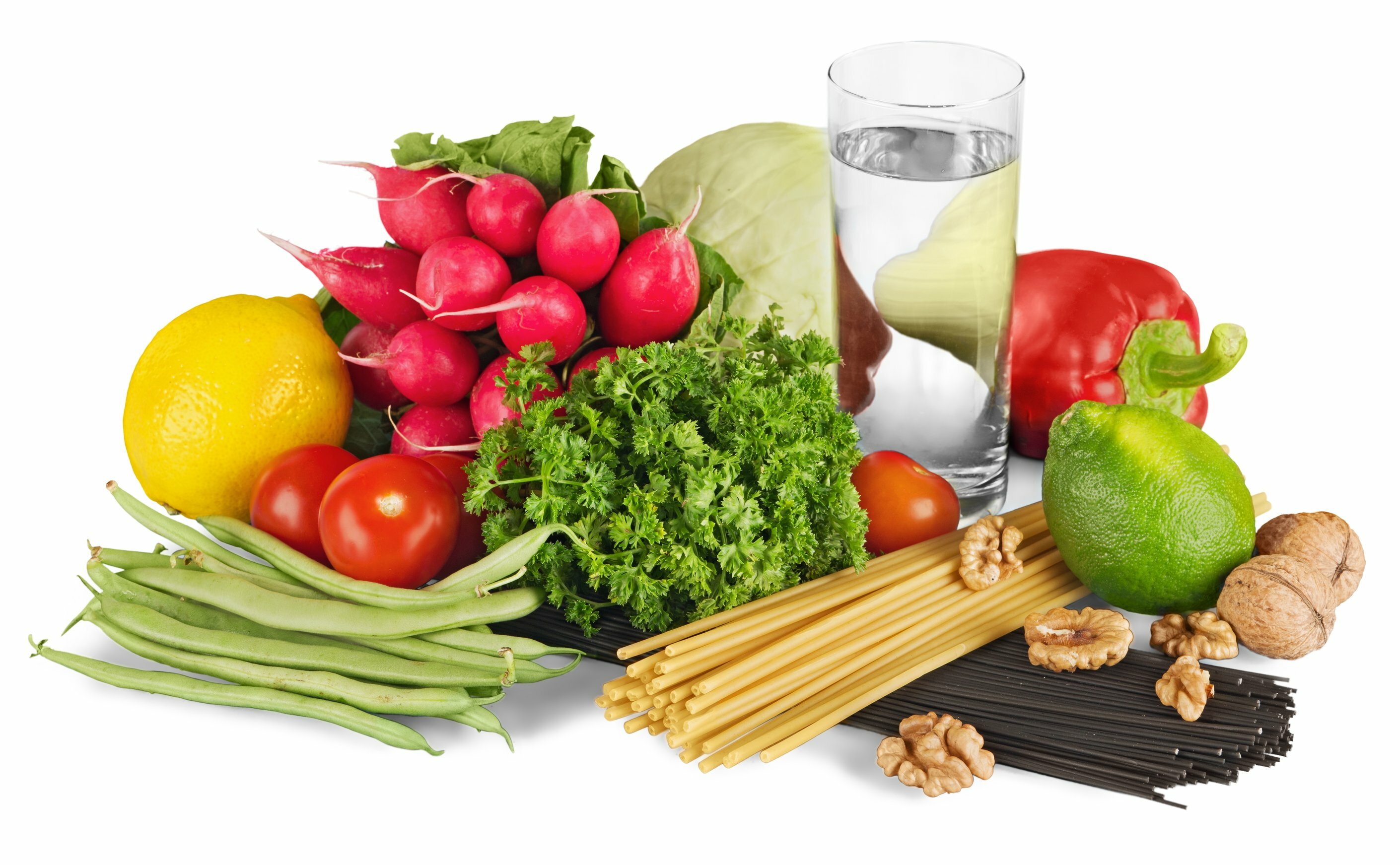
Fertility is a complex issue and there are many factors that can affect it, such as age, lifestyle, and genetics. However, the food we eat can also play a significant role in improving fertility.
In this article, we will explore 13 foods that have been shown to increase fertility and improve reproductive health.
The Importance of Fertility and Conception
Fertility and conception are important aspects of human life, as they allow individuals to create families and perpetuate the species. However, there are various factors that can affect a person's ability to conceive, including lifestyle, age, and medical conditions.
This article will provide an overview of fertility and conception, the factors that affect them, and lifestyle changes and alternative techniques that can help improve fertility.
Understanding Fertility and Conception
Fertility refers to a person's ability to produce offspring, while conception is the actual process of fertilization and implantation of an embryo in the uterus. Fertility is influenced by various factors, including age, genetics, hormonal imbalances, medical conditions, and lifestyle choices.
Conception, on the other hand, is influenced by factors such as ovulation, sperm count and quality, and the timing of sexual intercourse.
Foods to Eat to Increase Fertility
1. Leafy Greens
Leafy greens, such as spinach, kale, and Swiss chard, are packed with essential vitamins and minerals, such as iron, folate, and magnesium, that are crucial for reproductive health. These nutrients help to regulate hormones and improve ovulation, which is essential for increasing fertility.
2. Berries
Berries, such as blueberries, raspberries, and strawberries, are rich in antioxidants, which can help to protect the eggs and sperm from damage caused by free radicals. In addition, berries are also a good source of vitamin C, which is essential for healthy sperm production.
3. Whole Grains
Whole grains, such as whole wheat bread, brown rice, and quinoa, are rich in fiber, B vitamins, and minerals, such as magnesium, that are essential for reproductive health. These nutrients help to regulate hormones, improve insulin sensitivity, and reduce inflammation, all of which can help to increase fertility.
4. Nuts and Seeds
Nuts and seeds, such as almonds, walnuts, and flaxseeds, are rich in healthy fats, protein, and essential vitamins and minerals, such as zinc and vitamin E, that are crucial for reproductive health. These nutrients help to improve sperm quality and increase the chances of conception.
5. Fish
Fish, such as salmon, mackerel, and sardines, are rich in omega-3 fatty acids, which have been shown to improve sperm quality and increase fertility. Omega-3 fatty acids also help to reduce inflammation, which can improve the chances of conception.
6. Avocado
Avocado is rich in healthy monounsaturated fats, fiber, and essential vitamins and minerals, such as potassium, that are essential for reproductive health. Avocado has been shown to improve insulin sensitivity, regulate hormones, and reduce inflammation, all of which can help to increase fertility.
7. Sweet Potatoes
Sweet potatoes are rich in beta-carotene, which is converted into vitamin A in the body. Vitamin A is essential for healthy sperm production and has been shown to improve fertility.
Sweet potatoes are also a good source of complex carbohydrates, which help to regulate insulin levels and improve fertility.
8. Eggs
Eggs are a great source of high-quality protein, healthy fats, and essential vitamins and minerals, such as choline, that are crucial for reproductive health. Eggs have been shown to improve sperm quality and increase the chances of conception.
9. Legumes
Legumes, such as lentils, beans, and chickpeas, are rich in fiber, protein, and essential vitamins and minerals, such as iron, that are essential for reproductive health. Legumes have been shown to regulate hormones, improve insulin sensitivity, and reduce inflammation, all of which can help to increase fertility.
10. Dark Chocolate
Dark chocolate is rich in antioxidants, which can help to protect the eggs and sperm from damage caused by free radicals. Dark chocolate is also a good source of magnesium, which is essential for healthy sperm production and has been shown to improve fertility.
11. Oysters
Oysters are a rich source of zinc, which is essential for healthy sperm production and has been shown to improve fertility. Zinc is also important for regulating hormones and improving sperm quality.
Additionally, oysters are also a good source of protein and other essential nutrients that are important for reproductive health.
12. Greek Yogurt
Greek yogurt is a great source of calcium, which is essential for healthy bone development and has been shown to improve fertility. Greek yogurt is also a good source of protein, which is important for reproductive health, and probiotics, which can help to regulate hormones and improve gut health.
13. Pomegranates
Pomegranates are rich in antioxidants, which can help to protect the eggs and sperm from damage caused by free radicals. Pomegranates are also a good source of vitamin C, which is essential for healthy sperm production, and have been shown to improve fertility.
Foods to Limit or Avoid in a Fertility Diet:
Trans Fats:
Trans fats are a type of unhealthy fat that can interfere with ovulation and increase the risk of infertility. They are commonly found in fried foods, baked goods, and processed snacks.
Try to avoid or limit your intake of these foods to improve your fertility.
High-Mercury Fish:
Fish that contain high levels of mercury, such as swordfish, king mackerel, and shark, can negatively impact fertility. Mercury can accumulate in the body and affect both male and female reproductive systems.
Instead, choose fish that are low in mercury, such as salmon, trout, and sardines.
Alcohol:
Drinking alcohol can decrease fertility and increase the risk of miscarriage. It's best to avoid alcohol altogether when trying to conceive.
If you choose to drink, limit yourself to one drink per day.
Caffeine:
Caffeine can also affect fertility, particularly in women. It can interfere with ovulation and reduce the chance of conception.
Limit your caffeine intake to one or two cups of coffee per day.
Processed Meats:
Processed meats, such as hot dogs, bacon, and deli meats, can contain high levels of preservatives and additives that can affect fertility. These meats are also high in saturated fat, which can increase inflammation in the body and interfere with conception.
Soy Products:
Soy products, such as tofu and soy milk, contain phytoestrogens that can mimic the effects of estrogen in the body. This can disrupt the balance of hormones and affect fertility.
If you choose to eat soy products, choose those that are minimally processed and consume them in moderation.
Factors That Affect Fertility and Conception
There are various factors that can affect fertility and conception, including:
- Age: As a person gets older, their fertility declines. Women are most fertile in their 20s and early 30s, while men's fertility typically declines after age 40.
- Medical conditions: Certain medical conditions such as polycystic ovary syndrome (PCOS), endometriosis, and thyroid disorders can affect fertility in women. In men, conditions such as low sperm count, erectile dysfunction, and sexually transmitted infections can affect fertility.
- Lifestyle choices: Factors such as smoking, excessive alcohol consumption, poor diet, lack of exercise, and high stress levels can all negatively impact fertility.
Lifestyle Changes for Increased Fertility
Making certain lifestyle changes can help improve fertility in both men and women. Here are some lifestyle changes to consider:
- Exercise regularly and maintain a healthy weight: Regular exercise and maintaining a healthy weight can help regulate hormones and improve overall health, which can increase fertility.
- Manage stress with techniques such as meditation or yoga: High levels of stress can interfere with fertility, so it's important to find ways to manage stress. Techniques such as meditation, yoga, or other relaxation exercises can be helpful.
- Get enough sleep and establish a regular sleep schedule: Lack of sleep or an irregular sleep schedule can disrupt hormones and negatively impact fertility. It's important to get enough sleep and establish a regular sleep schedule.
- Quit smoking and reduce alcohol intake: Smoking and excessive alcohol consumption can negatively impact fertility in both men and women. It's important to quit smoking and reduce alcohol intake to improve fertility.
FAQs
Is it possible to increase fertility with diet alone?
Diet alone may not be enough to increase fertility, as there are many factors that can affect fertility, such as age, genetics, and lifestyle. However, incorporating a healthy and balanced diet that includes these fertility-boosting foods can help to improve reproductive health and increase the chances of conception.
Can supplements help to increase fertility?
Supplements, such as folic acid, iron, and vitamin D, can help to improve fertility, especially if you have a deficiency in these nutrients. However, it is important to consult with a healthcare professional before taking any supplements, as taking too much of certain nutrients can be harmful.
Can stress impact fertility?
Yes, stress can have a significant impact on fertility, as it can disrupt hormone levels and negatively impact reproductive health. It is important to manage stress through activities such as exercise, meditation, and relaxation techniques in order to maintain optimal reproductive health. References At CheckPregnancy, we adhere to stringent sourcing protocols, relying solely on reputable sources such as peer-reviewed studies, esteemed academic research institutions, and prestigious medical associations.
We do not make use of sources of lesser authority, commonly referred to as tertiary sources. To gain a deeper understanding of our commitment to providing accurate and up-to-date information, please refer to our editorial policy.
- Treating Infertility. American College of Obstetricians and Gynecologists. Accessed 09/02/2022.
- Male Infertility. Yale Medicine. Accessed 9/6/2022.
- The effects of intense exercise on the female reproductive system. 2001;170(1):3-11.
- Effects of caloric intake timing on insulin resistance and hyperandrogenism in lean women with polycystic ovary syndrome. Clin Sci (Lond). 2013 Nov;125(9):423-32.
- Population-level risks of alcohol consumption by amount, geography, age, sex, and year: a systematic analysis for the Global Burden of Disease Study 2020. The Lancet. 2022;400(10347):185-235.
- Smoke, alcohol, and drug addiction in female fertility. Reprod Biol Endocrinol. 2020; 18: 21.
- Use of multivitamins, intake of B vitamins, and risk of ovulatory infertility. Fertil Steril. 2008;89(3):668-76.
- The Impact of Bisphenol A on Fertility, Reproductive System, and Development: A Review of the Literature. International Journal of Endocrinology. 2019.